


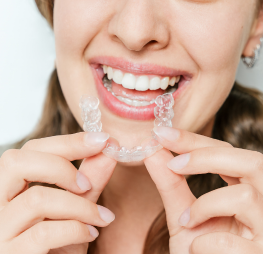
Completing orthodontic treatment is a major milestone. Whether you have finished treatment with braces or clear aligners like Invisalign, your smile is straighter, your bite is improved, and your confidence has grown.
What Is Post-Orthodontic Relapse?
Post-orthodontic relapse refers to the natural tendency for teeth to shift back toward their original positions after treatment. Even though your teeth have been carefully aligned, the surrounding bone and soft tissues need time to stabilize.
Without proper retention, small movements can occur over time, gradually affecting the alignment of your smile. This is a common part of the orthodontic process, but it can be effectively managed with the right care plan.
Why Do Teeth Shift After Treatment?
There are several reasons why teeth may move after orthodontic treatment.
First, the tiny elastic fibers that support your teeth (called periodontal ligament fibers) have a natural memory. After braces or aligners, these fibers may try to pull teeth back toward their previous positions.
Second, your jaw continues to grow and change over time, even in adulthood. These subtle shifts can influence your bite and alignment.
Finally, everyday habits such as grinding your teeth, nail biting, or tongue pressure can contribute to gradual movement.
The Importance of Retainers
Retainers play a critical role in preventing relapse. They are designed to hold your teeth in their new position while your mouth adjusts to the changes made during treatment.
There are two main types of retainers. Removable retainers are typically worn at night, while fixed retainers are bonded behind the teeth to provide continuous support. Your orthodontist will recommend the best option based on your individual needs.
Wearing your retainer as instructed is the most effective way to protect your smile.
How Long Do You Need to Wear a Retainer?
Wearing a retainer can be a long-term commitment. While the initial phase may require more consistent wear, many patients transition to nighttime use over time.
It is important to understand that teeth can shift at any age. For this reason, ongoing retainer use is often recommended to maintain your results for years to come.
Consistency is key. Even small gaps in wearing your retainer can allow teeth to move.
Signs of Orthodontic Relapse
Recognizing early signs of relapse can help prevent more significant changes.
You may notice minor crowding, small gaps reappearing, or changes in how your teeth come together when you bite. In some cases, your retainer may feel tighter than usual, which can indicate slight movement.
If you notice any of these changes, it is important to consult your orthodontist early. Addressing small shifts can help avoid more complex treatment later.
Maintaining Your Smile Long-Term
Protecting your smile after orthodontic treatment comes down to a few simple habits. Wearing your retainer as directed, maintaining good oral hygiene, and attending regular dental checkups all play an important role.
At Wonder West Orthodontics, post-treatment care is an essential part of every patient’s journey. Retention plans are personalized to help ensure long-lasting, stable results.
If you have questions about retainers or notice changes in your alignment, speaking with your orthodontic team is the best next step to keep your smile on track.