


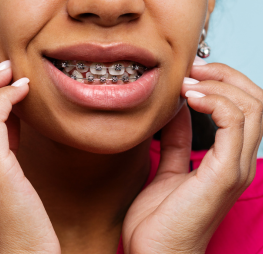
Braces do more than straighten teeth. They correct bite problems that can affect chewing, speaking, and overall oral health. AtWonder West Orthodontics, we help patients of all ages address a variety of malocclusions (misaligned bites) to improve both function and aesthetics.
Understanding common bite problems can help you recognize when orthodontic treatment may be needed.
What Is a Bite Problem?
A bite problem, or malocclusion, occurs when the teeth and jaws don’t align properly. Bite issues can develop due to genetics, jaw growth patterns, habits like thumb–sucking, or early tooth loss.
Common Bite Problems Braces Can Correct
1. Overbite
An overbite, also know as a “deep bite”, occurs when the upper front teeth overlap and cover the lower teeth too much when biting down. Left untreated, a deep overbite can lead to uneven tooth wear, chipped or damaged teeth and gum irritation behind the top front teeth.
2. Overjet
Often confused with an overbite, an overjet occurs when the upper front teeth protrude significantly forward from the lower front teeth. A pronounced overjet can affect both appearance and function, making it more difficult to comfortably close the lips and increasing the risk of chipped or fractured front teeth during a fall or impact.
3. Underbite
An underbite happens when the lower front teeth protrude past the upper teeth. Typically, underbites are caused by differences in the size or position of the upper and lower jaws, or by teeth that tilt too far forward or backward. Underbites can make chewing and speaking more difficult and may contribute to excessive wear on the teeth over time if left untreated.
4. Crossbite
A crossbite is when one or more upper teeth sit inside the lower teeth when biting down. Crossbites can affect chewing, cause tooth wear, and cause the jaw to shift into an uneven position when the mouth closes. Over time, this bite shift may lead to asymmetrical jaw growth if left untreated.
5. Open Bite
An open bite occurs when the upper and lower teeth don’t touch, creating a gap between them. Open bites are commonly caused by childhood habits such as prolonged thumb sucking or pacifier use, or by habitually resting or pushing the tongue between the teeth throughout the day. If left untreated, an open bite can affect chewing and speech, contribute to uneven tooth wear, and place excess strain on certain teeth and jaw muscles.
6. Crowding
Crowded teeth occur when there isn’t enough space in the jaw for all teeth to fit properly. Crowded teeth can be more difficult to clean effectively, increasing the risk of cavities and gum disease over time.
7. Spacing Issues
Spacing occurs when there is too much room between the teeth, often because the teeth are smaller in proportion to the jaw size. While spacing is commonly a cosmetic concern, excessive gaps can also allow food to become trapped more easily between the teeth.
Benefits of Correcting Bite Problems with Braces
Correcting bite problems is about more than a straighter smile. Patients often experience:
- Improved chewing ability
- Reduced risk of uneven tooth wear or fractures
- Easier oral hygiene and lower risk of cavities
- Enhanced confidence in appearance
Is Braces Treatment Right for Your Bite?
If you notice difficulty chewing, uneven teeth, or gaps, a consultation with an orthodontic specialist can determine whether braces are the right solution. Early evaluation, especially for children, can simplify treatment and provide lasting results.
Start Your Bite Correction Journey with Wonder West Orthodontics
At Wonder West Orthodontics, we provide personalized treatment plans to address a wide range of bite problems. Whether you’re a kid, teen, or adult, braces can help you achieve a functional, healthy, and beautiful smile. Schedule a consultation today to see how braces can transform your bite.